Profit from the Unknown
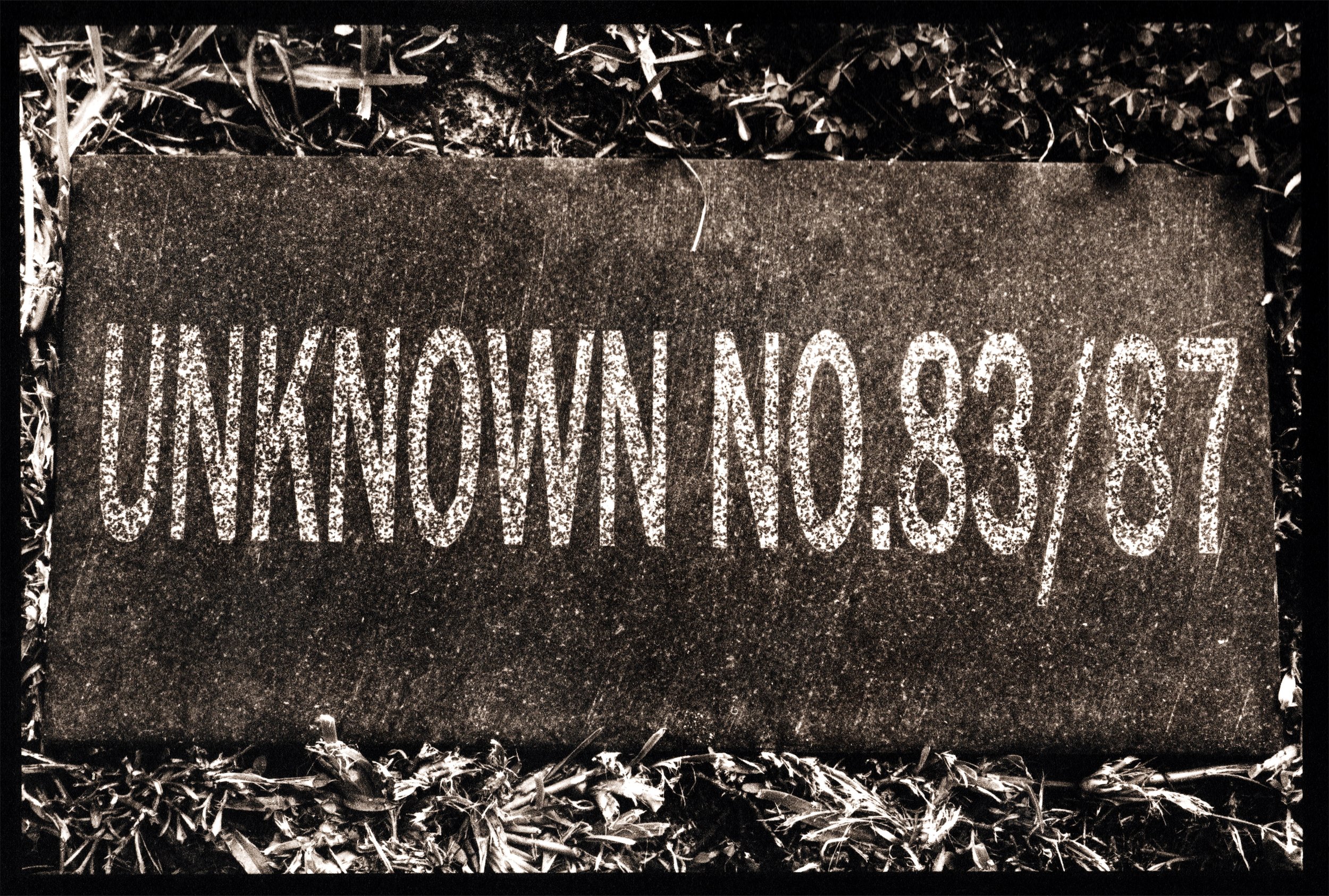
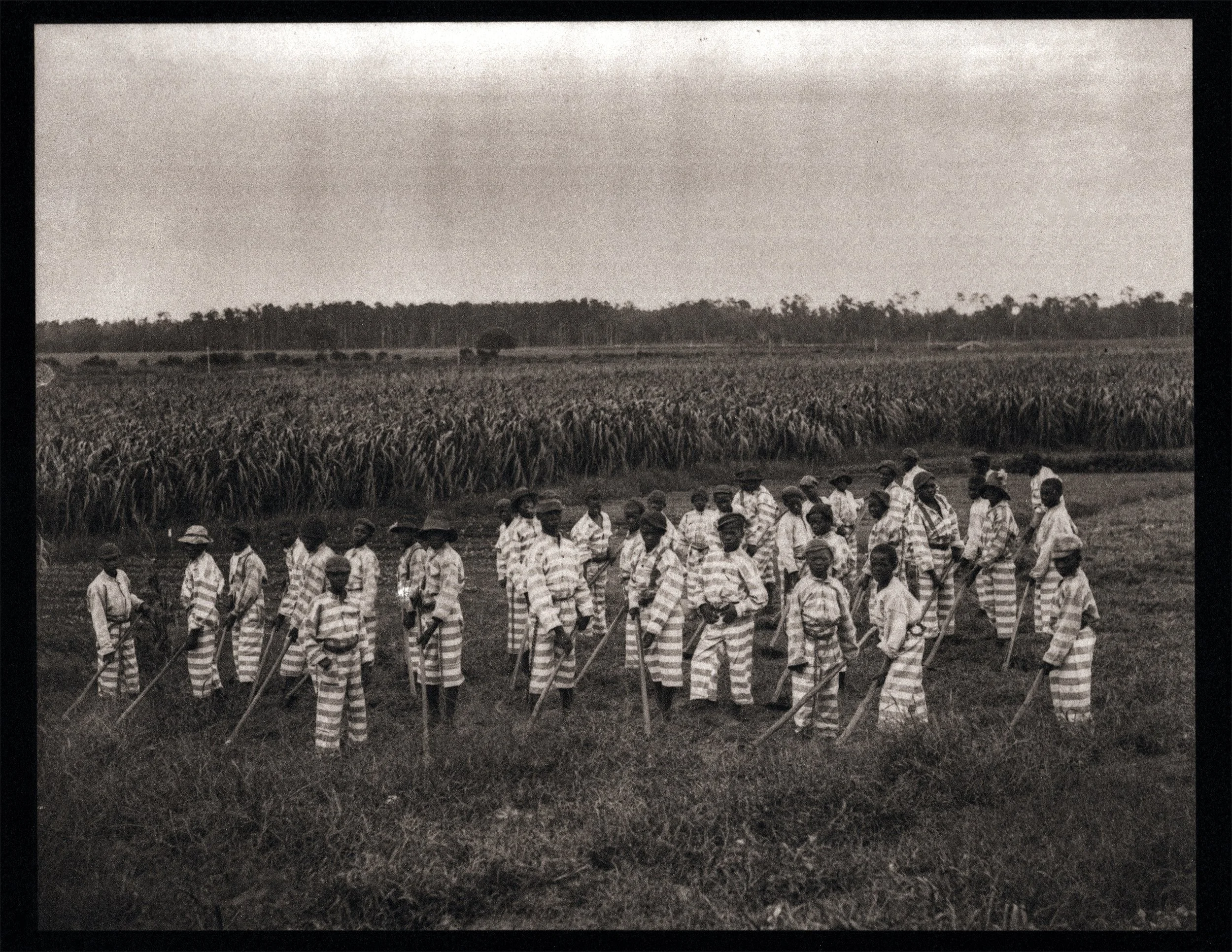
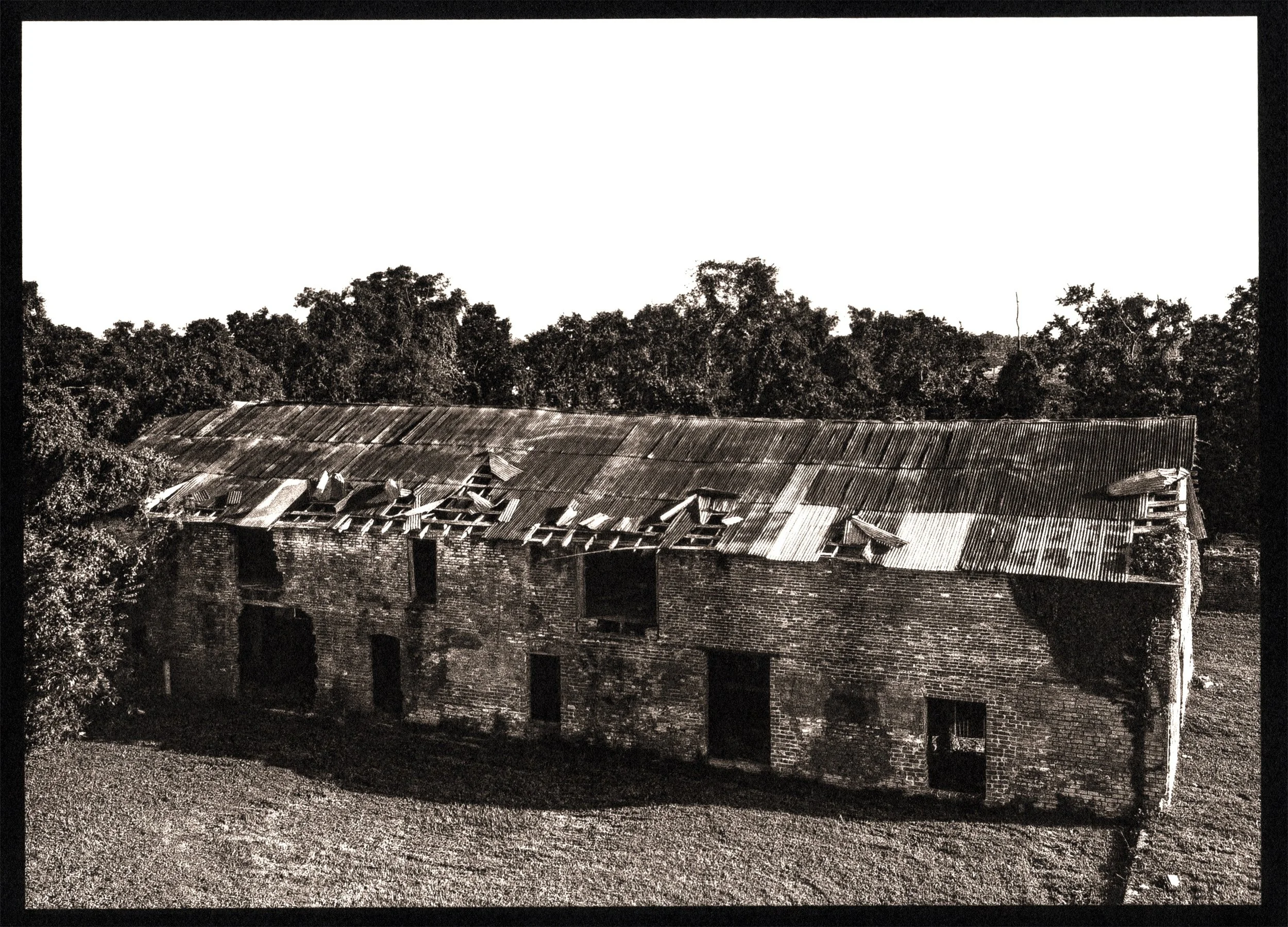
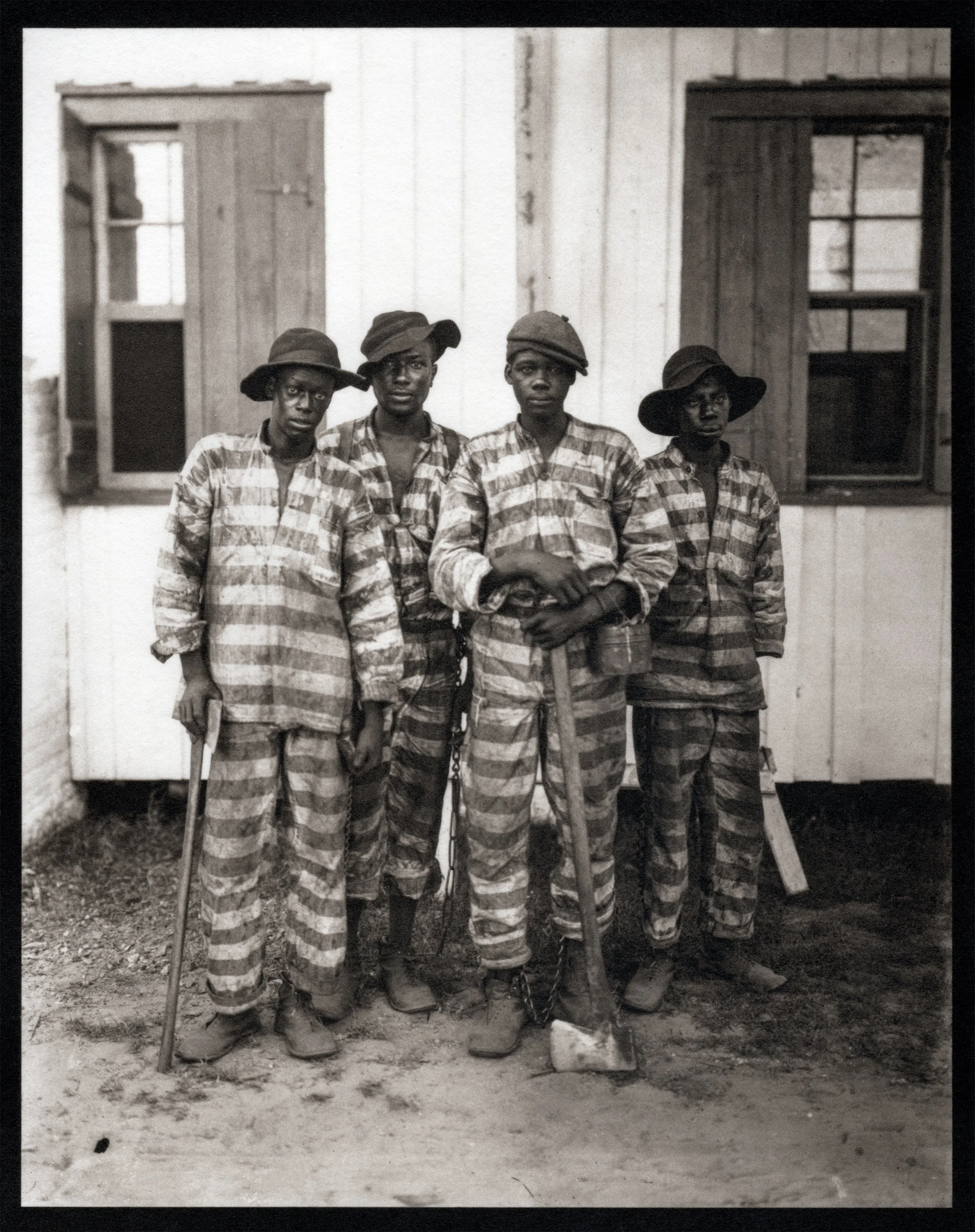
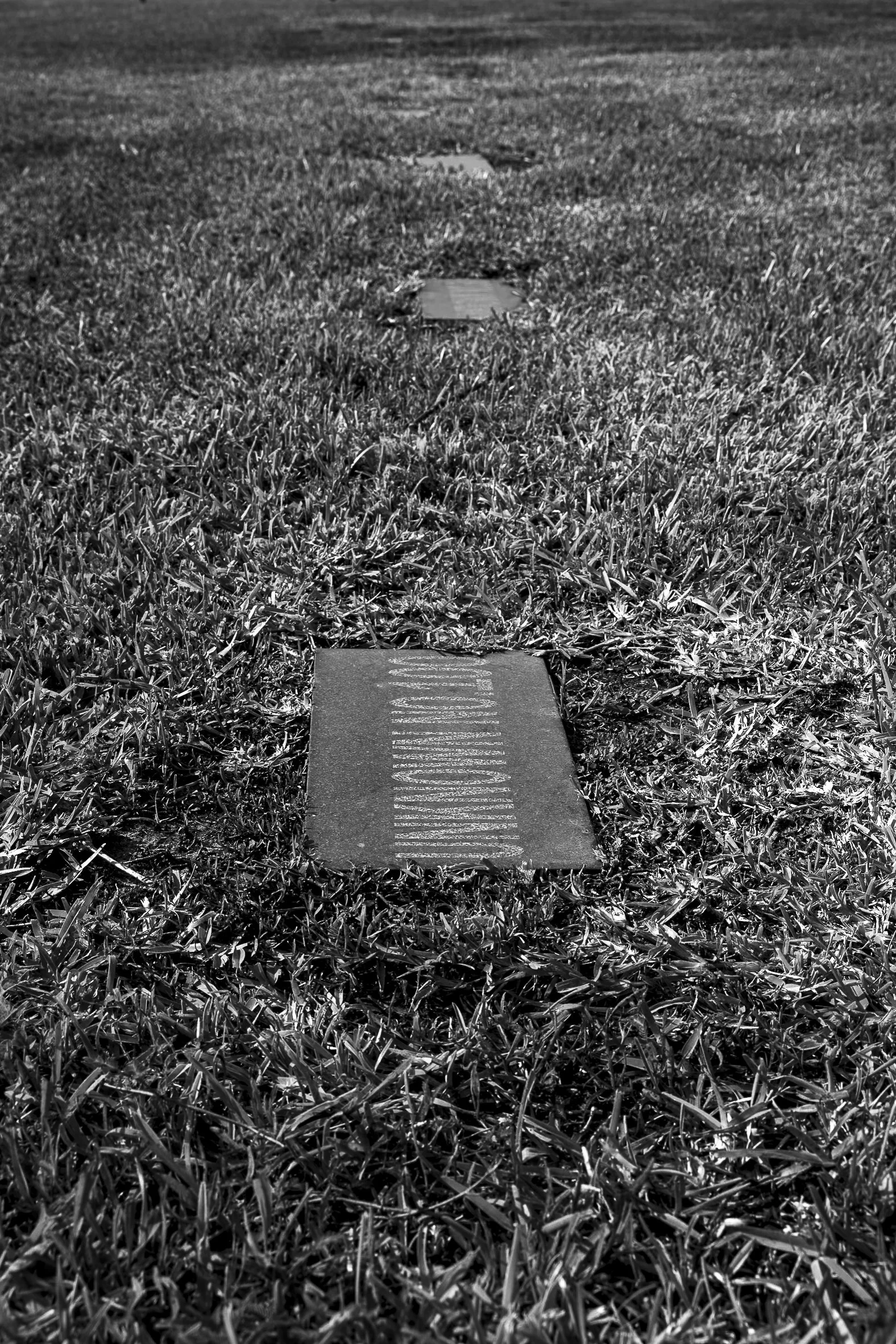
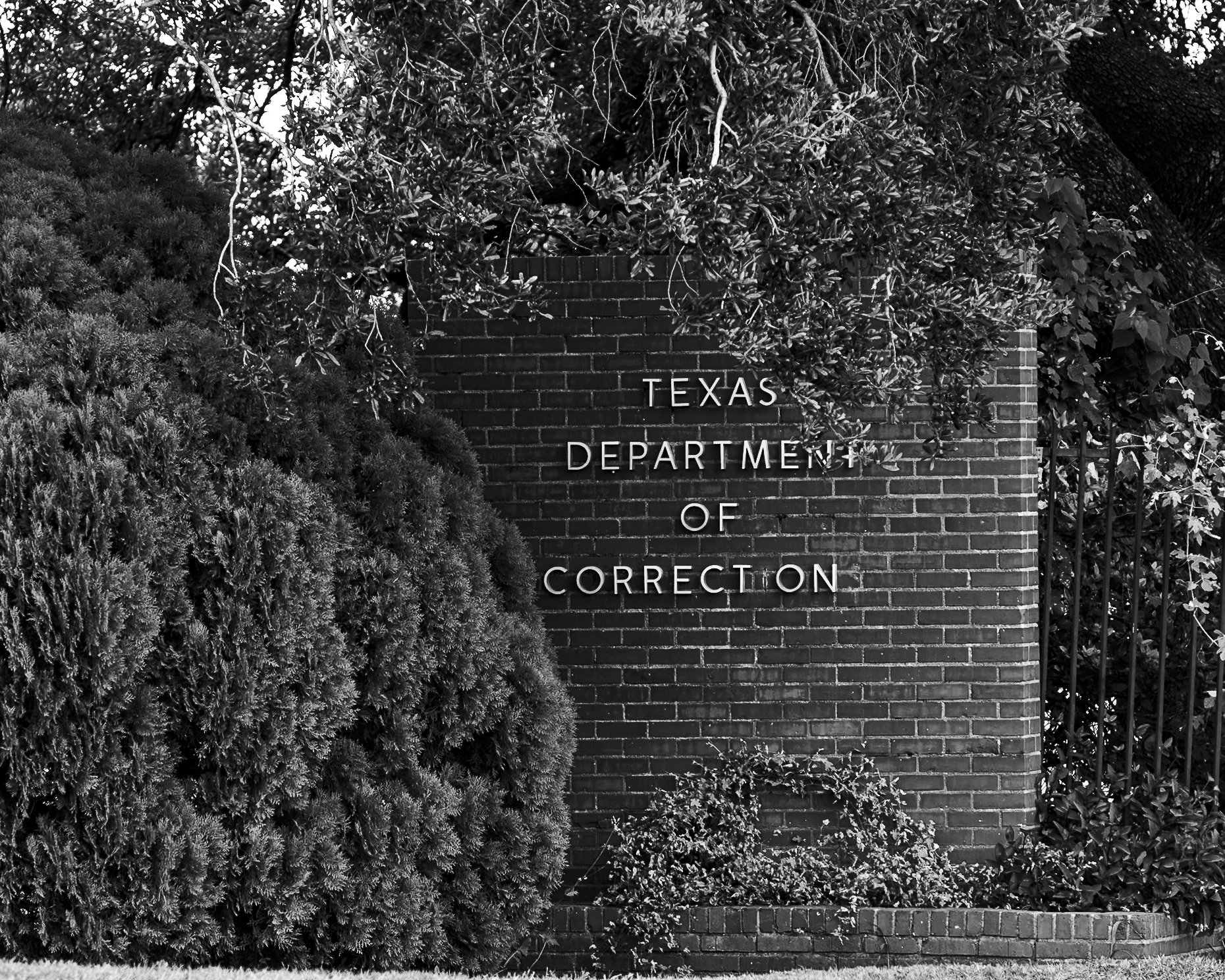
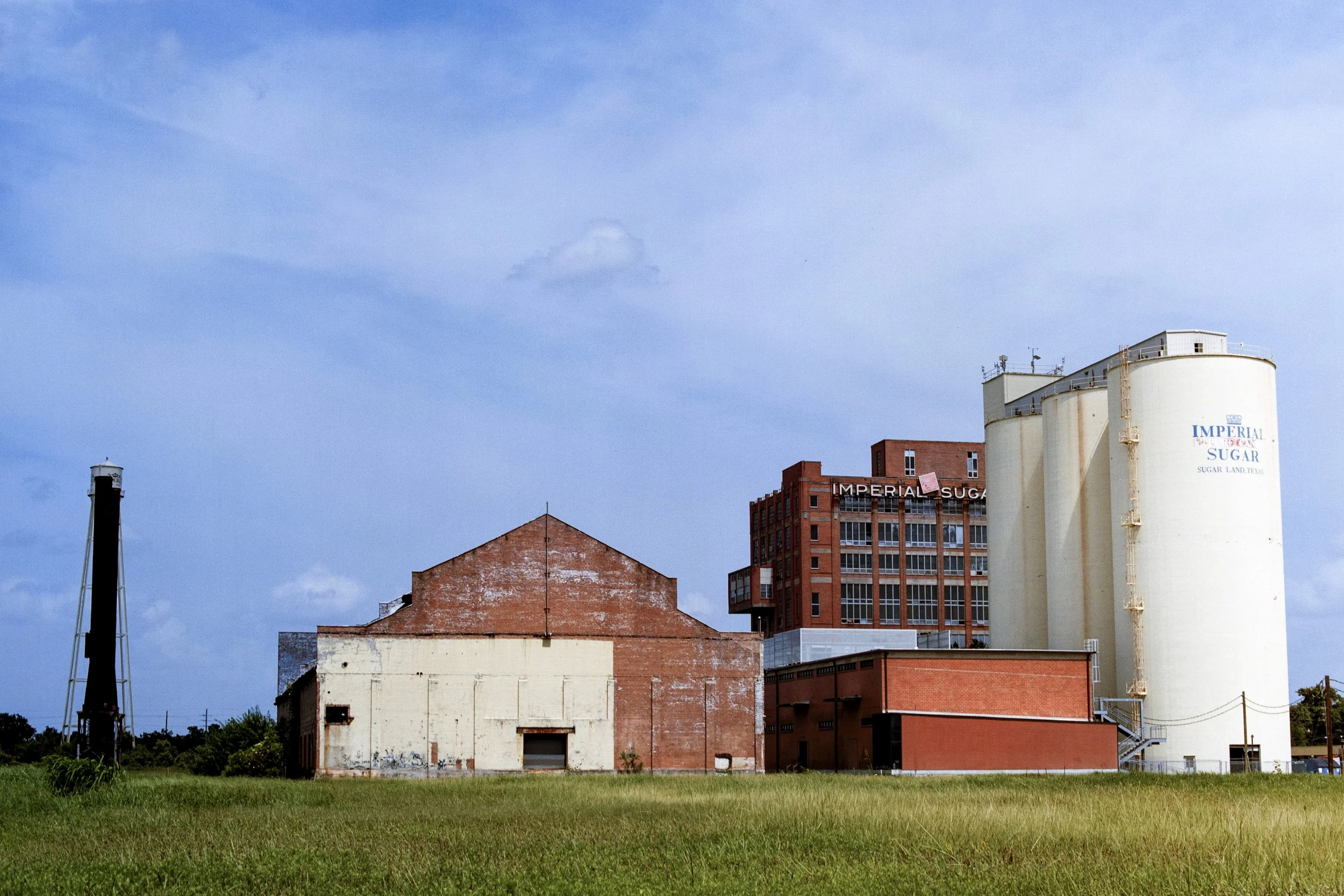
Profit from the Unknown examines the Black geographies of sugar, labor, incarceration, and land in Sugar Land, Texas. In 2018, during construction on a former Imperial Sugar property in Sugar Land, Texas, the remains of ninety-five Black people were uncovered in unmarked graves. These are now known as the Sugar Land 95. They were victims of the convict leasing system, a practice that extended slavery through the carceral state. Forced to work in sugarcane fields under brutal conditions, they died unnamed in the official record. Their labor generated profit for the state and for private companies. Their names and stories were left in the ground. The Imperial Sugar Cane Plant evolved from the plantation system, connecting the history of sugar production in Sugar Land to enslaved labor, convict leasing, and the continued extraction of Black labor from the landscape.
After Emancipation, Freedom Colonies emerged throughout this same Gulf Coast geography as formerly enslaved Black people and their descendants acquired land and established communities outside the plantation system. Through Black Geographies, these communities can be understood as places where Black people defined land, community, belonging, and self-determination within a landscape shaped by systems of exclusion. Yet their rural proximity to plantations, agricultural labor, and local systems of policing also placed these communities within reach of a criminal justice system increasingly used to supply labor.
Black residents of rural communities were disproportionately targeted through policing practices, vagrancy laws, and minor criminal charges that enabled their removal from communities of relative autonomy and their return to coerced agricultural labor. In this way, the convict leasing system functioned as a mechanism of extraction, drawing Black labor out of Freedom Colonies and other rural Black communities and redirecting it back into plantation and industrial economies. Freedom Colonies represented an effort to create places of Black self-determination through landownership, family, churches, schools, and community institutions, while nearby systems of policing and incarceration could interrupt that autonomy by removing Black people from those places and converting their confinement into labor and profit.
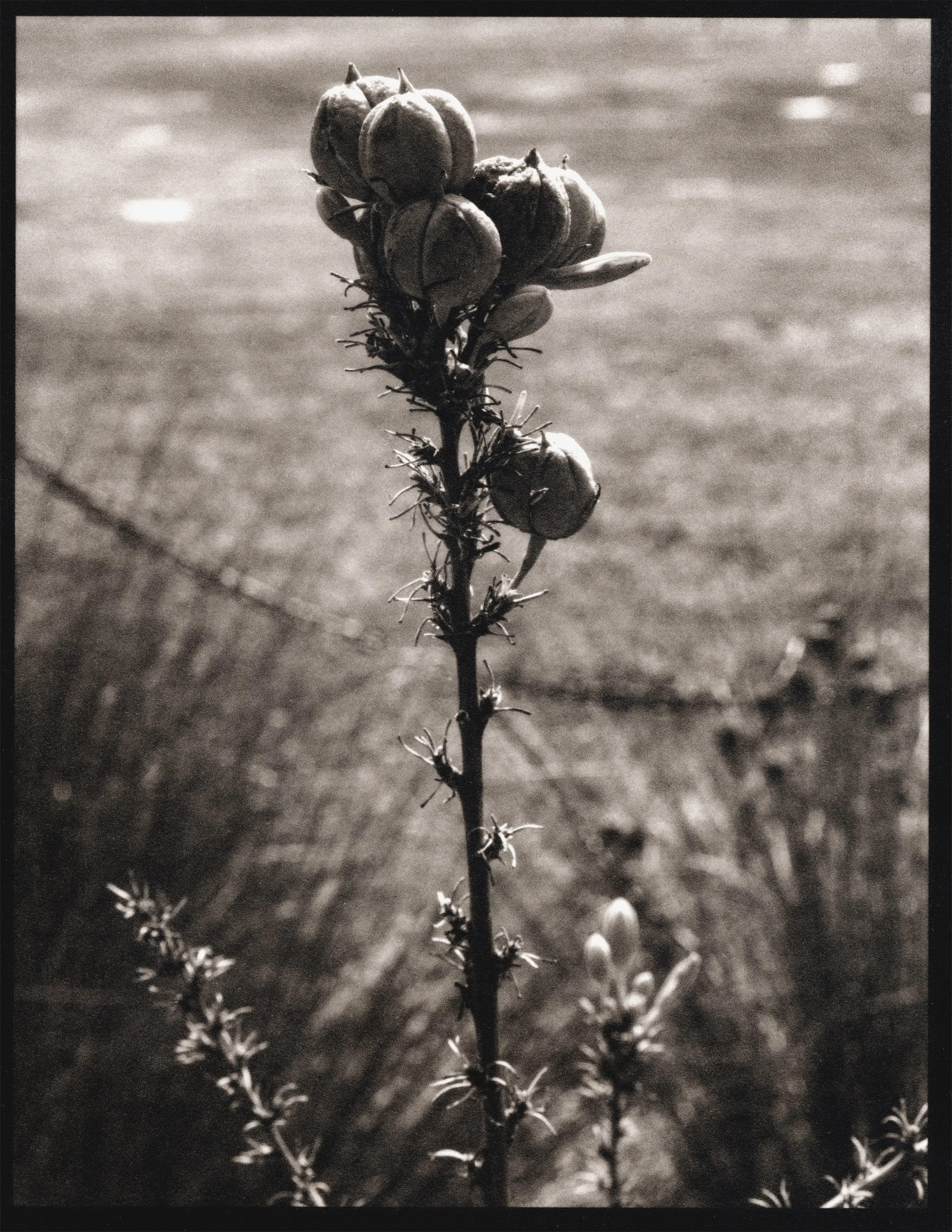
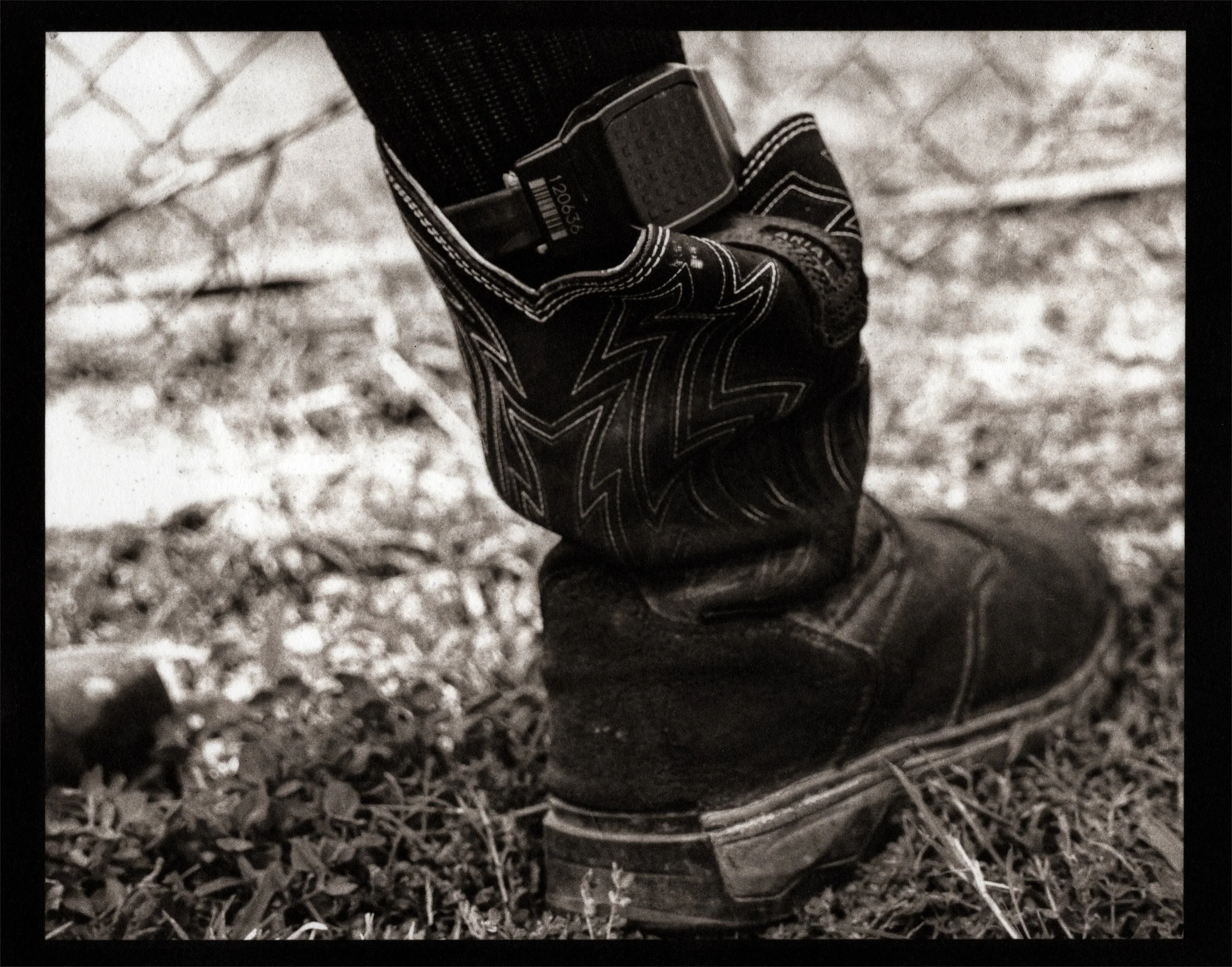
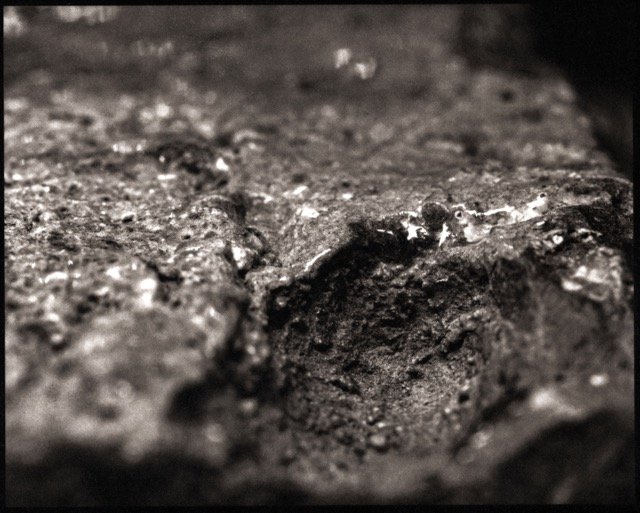
The geography therefore holds two histories in tension: Black communities creating and sustaining spaces of freedom after slavery, and a carceral system developing new legal mechanisms for extracting Black labor from the same region. Through contemporary photographs, archival records, family histories, and nineteenth-century photographic processes, the project considers the landscape itself as evidence. Sugarcane fields, the former Imperial Sugar complex, prison sites, cemeteries, family land, and changing built environments reveal how systems of labor, confinement, and racial control remain embedded in place. Soil, sugarcane ash, and molasses from the region enter the photographic process so that the land itself becomes part of the print.
Profit from the Unknown examines this Black geography not simply as a transition from slavery to convict leasing, but as a struggle over who could remain on the land, who could build community on it, and whose bodies could be removed from those communities and made economically productive elsewhere. The Sugar Land 95 stand within this history as evidence of how Black labor was made essential to the production of wealth while Black lives, names, families, and histories were treated as expendable. The project asks what becomes visible when Sugar Land and the Imperial Sugar landscape are read through the Black people whose labor made that landscape productive.